Whether we like it or not, the world is changing at an insane pace. We’re living in a landscape where you have to sprint just to stand still. Everywhere you look, humans are scrambling to “capitalize” on the next big thing in this AI-driven gold rush. Sure, it’s opening massive opportunities. Jensen Huang, the CEO of NVIDIA, even said AI will create more millionaires in five years than the internet did in twenty—and looking at how things are going, he might be right.
But at what cost? What’s the trade-off? I read recently about leaked internal documents from Amazon suggesting their robotics division aims to “avoid hiring” over 600,000 U.S. workers thanks to automation. Is it confirmed? Not yet. But is it plausible? Absolutely. The pace of change is so wild that outcomes like this are no longer far-fetched—they’re probable.
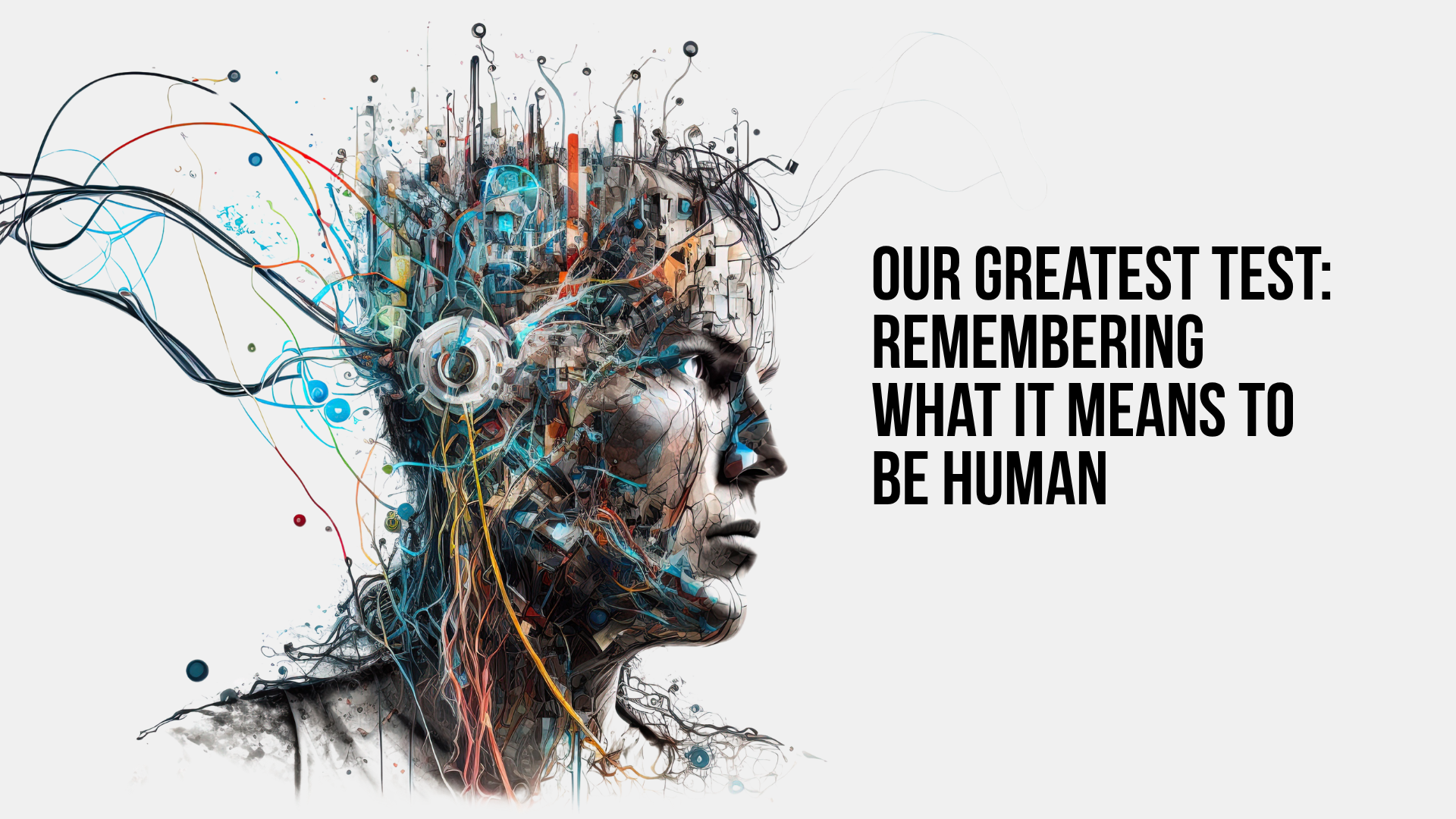
So what does this mean for us—for being human?
When people say “AI won’t steal your job, but someone using AI will,” it’s clear how fear is being used to drive adoption. Everyone’s racing to clone themselves for efficiency, build custom GPTs, and replace real human interaction with digital convenience. Layer in post-COVID Zoom fatigue and you’ve got a culture drifting further apart by the day. A quick look at mental-health stats tells you exactly where that’s leading.
Don’t get me wrong—I’m no Luddite. I love tech. I’m constantly blown away by what humans can create. AI helps me daily, and I’m genuinely grateful for it. But I’ve noticed something else too: I’m getting lazier. I type prompts instead of thinking deeply. I let AI proofread instead of reading my own words. I don’t try to remember things, because I don’t have to.
Yes, my productivity has exploded—but I’m losing pieces of what makes me human.
So what now? How do we stay grounded in a world sprinting toward cyborgs, flying cars, and bottled air? How do we resist the pull toward endless productivity, profit, and power? Because history’s pretty clear: every revolution brings progress—but also wreckage, burnout, and disconnection.
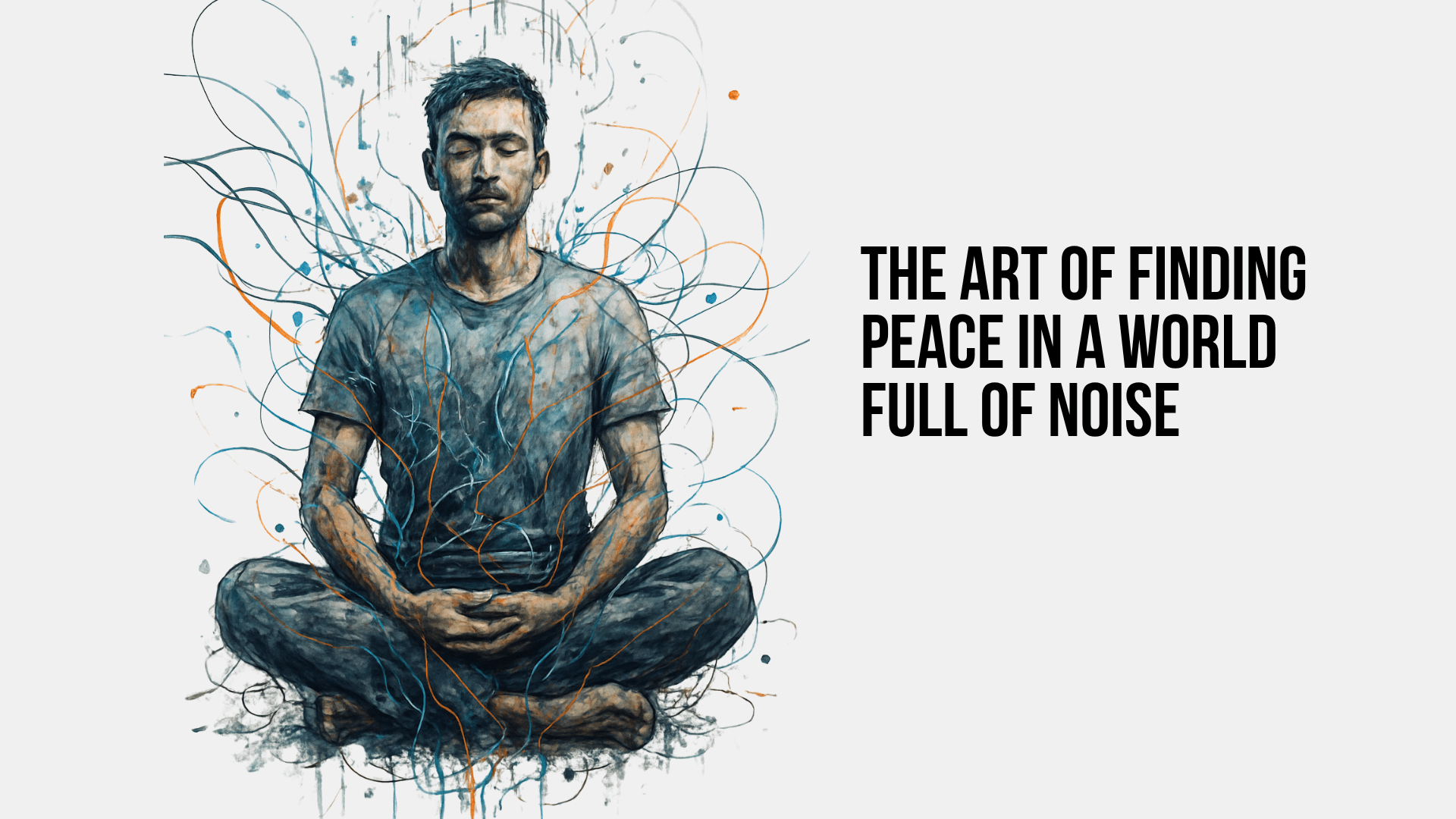
My take? We double down on what’s always kept us alive—connection. We bring back real, in-person gatherings, workshops, and experiences that put humans face-to-face again. We spend more time around the fire, in conversation, in reflection, in nature. We use technology as a tool for more space, not more output.
Like the mind, technology is a brilliant servant and a brutal master. And right now, it feels like AI is ringing the factory bell, calling us all back to the line.
I still believe in humanity—but we’re in the middle of our biggest test yet.
So I’ll ask you this: how do you plan to stay truly human in a world racing toward the synthetic?
Links & Resources:
Want to hear more? listen to the podcast episode here
Want more short form content? Follow me on Instagram